VoIP Phone Systems for Small Business: 2026 Guide
If your small business still pays per-minute landline charges, VoIP phone systems are the single easiest way to cut that bill in 2026. By carrying calls over the internet instead of copper wires, a modern setup slashes recurring costs while adding features that used to be reserved for large call centres. This guide focuses on the money: what you spend, what you save, and how quickly the switch pays for itself.
Rather than drowning you in jargon, we will work through real numbers and a simple decision framework any owner can follow.
What VoIP phone systems actually include
A complete system has three layers that work together. Understanding them helps you avoid paying twice for the same capability.
- Connectivity: a SIP trunk or hosted PBX subscription that routes your calls.
- Hardware: the desk handsets, cordless units and PoE switch your team touches daily.
- Management: the web portal where you add extensions, record greetings and pull reports.
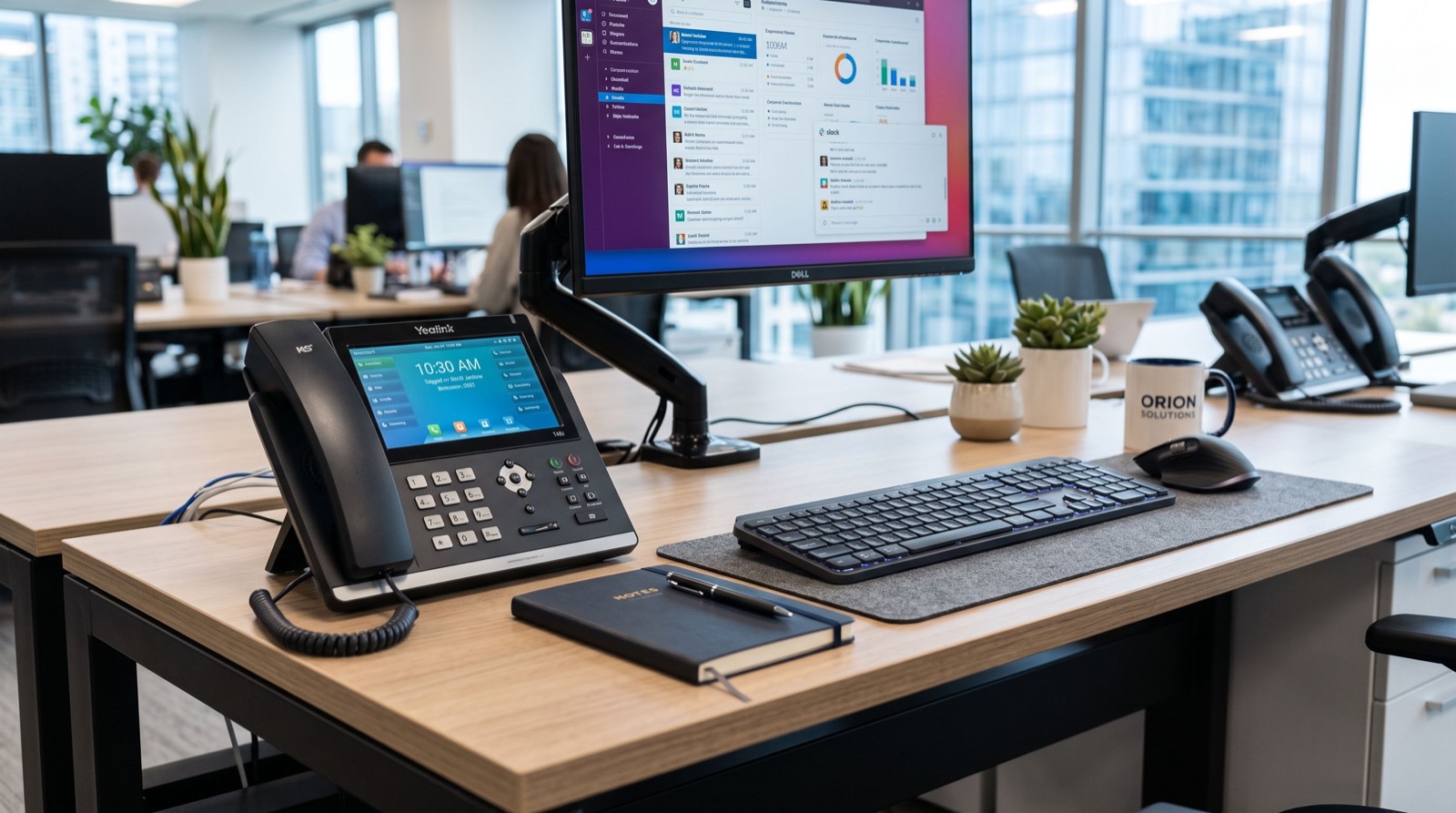
You can browse a full catalogue of certified IP Phone / IP Phones to see how the hardware layer maps to different seat counts and budgets.
The real cost of VoIP phone systems
Owners usually overestimate the upfront spend and underestimate the monthly savings. Let us correct both.
Upfront versus ongoing
Hardware is a one-time purchase that lasts five years or more. The subscription is a predictable monthly line item that replaces your old PTCL or operator rental, often at a fraction of the price.
| Cost item | Legacy landline | VoIP system |
|---|---|---|
| Line rental (10 users) | High monthly | Low monthly |
| Inter-branch calls | Per minute | Free on-net |
| Adding an extension | Engineer visit | Self-service |
| Voicemail to email | Rarely available | Included |
| Hardware lifespan | Ageing | 5+ years |
For a ten-person office, most businesses recover their hardware investment within the first year purely on reduced call and rental charges.
Start lean with the right handset
You do not need a flagship phone on every desk to enjoy HD calls. An entry-level model handles everyday calling superbly. The Fanvil V50P Basic Level IP Phone is a smart starting point, offering clean audio and dependable build quality at a price that keeps your rollout affordable.
How quickly do VoIP phone systems pay back?
Return on investment depends on call volume, but the pattern is consistent. The more you call, and the more branches you link, the faster the payback.
- Light users: savings mostly come from lower line rental.
- Sales-heavy teams: free on-net and cheap outbound rates add up fast.
- Multi-branch firms: free inter-office calling often pays for everything.
Because VoIP runs on the open Session Initiation Protocol, you are free to switch providers if a cheaper trunk appears, which keeps long-term pricing competitive. You can read the technical background in the ITU H.323 and SIP interoperability guidance.
Choosing a provider and installer
The hardware is only as good as the setup behind it. A rushed install creates echo, dropped calls and frustrated staff.
Look for a partner who will audit your internet link, configure QoS and train your team. Working with reputable service experts means someone answers the phone when you need help, not a ticket queue in another country.
Questions to ask any vendor
A few pointed questions separate serious suppliers from box-shifters. Ask about warranty terms, firmware update policy, and whether they provision phones before delivery.
Avoiding buyer regret
The most common mistake is buying on headline price alone. A cheap grey-import handset with no local warranty can cost far more once it fails mid-quarter.
The second mistake is ignoring the network. Even a premium system sounds terrible on an overloaded connection, so always reserve bandwidth for voice.
A worked example: ten-seat agency
Numbers make the case clearer than any sales pitch. Picture a ten-person agency that currently pays heavy monthly rental for a handful of landlines plus per-minute charges on every outbound call.
After switching, the agency buys ten handsets once, subscribes to a hosted PBX at a flat monthly rate, and routes outbound calls over a competitively priced SIP trunk. Inter-branch calls to a sister office become free, and voicemail now lands in email so nothing is missed overnight.
Within the first year, the combined drop in rental and call charges typically covers the hardware outright, after which the savings are pure profit. That is the pattern we see again and again with small firms that make the jump.
Soft benefits that do not show on the invoice
Beyond raw cost, VoIP adds capabilities that quietly grow revenue. Auto-attendants greet callers professionally, call queues stop customers hitting a busy tone, and simple reporting shows which hours need more staff.
These features used to demand enterprise budgets. Today they ship with most hosted platforms at no extra charge, levelling the field between a boutique agency and a large competitor.
Future-proofing your investment
Technology moves fast, so buy hardware that will not strand you. Gigabit ports, PoE and standards-based SIP mean your handsets will happily connect to whatever PBX or trunk you choose in three years.
Avoid proprietary systems that lock calls behind a single vendor’s cloud. Open standards keep your options open and your negotiating position strong when subscription renewals come around.
Frequently Asked Questions
Are VoIP phone systems reliable enough for a business?
Yes. With a stable broadband link, a backup internet option and a UPS on your core equipment, uptime easily matches or beats traditional lines.
Can I use my mobile with the same system?
Most platforms offer a softphone app, so staff take office calls on their phones while travelling, using the same extension and caller ID.
How long does installation take?
A ten-seat office is typically live within a day once cabling is ready, because handsets provision automatically from a central template.
Will call quality be as good as a landline?
It is usually better. Wideband HD codecs deliver clearer voice than the narrowband audio of legacy copper lines.
Conclusion: make the switch count
For most owners, modern VoIP phone systems deliver lower bills, richer features and happier customers within the first year. Start with an affordable handset on each desk, insist on local warranty and professional setup, and let the savings compound. In 2026 there is simply no financial case for staying on legacy copper.
Request a tailored quote, confirm handset stock and book your installation this week to start saving on every single call your business makes.