
Saudi Arabia’s food industry, retail sector, hospitality, and healthcare are expanding rapidly under Vision 2030. With increasing reliance on imported frozen foods, local production, and modern retail chains, maintaining the integrity of temperature-sensitive products has become more critical than ever. Frozen Storage plays a vital role in preserving food safety, extending shelf life, and ensuring uninterrupted supply chains across the Kingdom.
Units has positioned itself as a top company in Saudi Arabia’s cold chain logistics and warehousing industry. With state-of-the-art facilities, advanced temperature control technology, and a strong commitment to compliance and customer service, Units (units.sa) offers reliable Frozen Storage solutions that businesses can trust. Their modern infrastructure in key locations makes them the preferred partner for companies operating in Dammam, Jeddah, and other major cities.
Frozen Storage: The Backbone of the Cold Chain
Frozen Storage involves maintaining products at sub-zero temperatures, typically between -18°C and -25°C or lower, to stop bacterial growth, slow chemical reactions, and preserve the nutritional value, texture, taste, and appearance of perishable goods.
This specialized storage is a crucial link in the cold chain — the continuous temperature-controlled supply chain that begins at production or import and ends at the consumer. Any break in this chain can lead to spoilage, health risks, and significant financial losses.
Common Products Requiring Frozen Storage:
- Red meat, poultry, and seafood
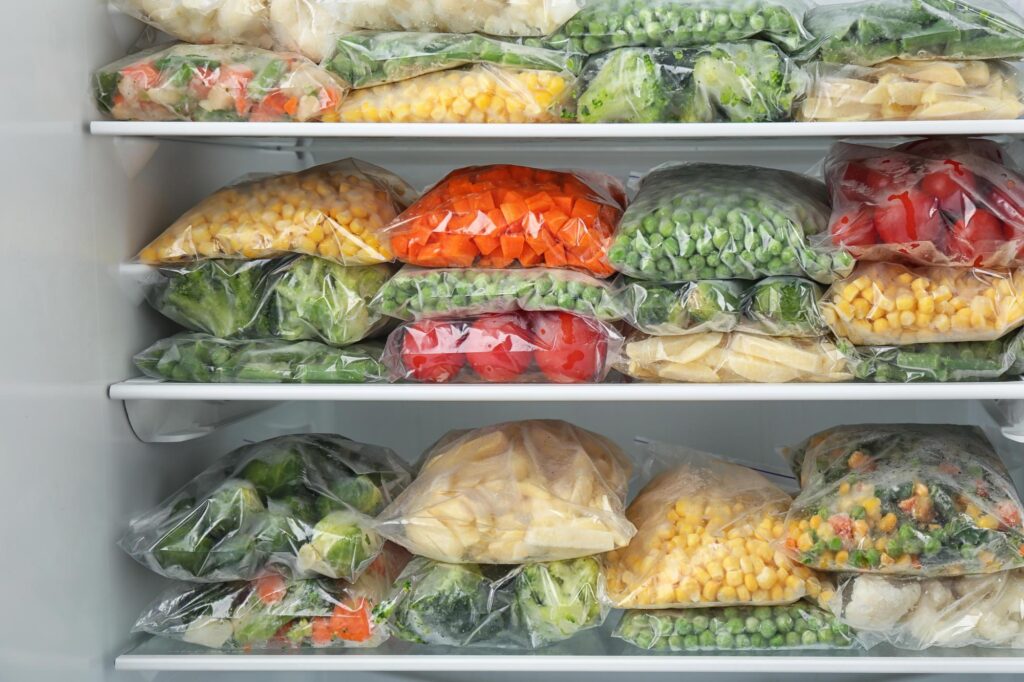
- Frozen fruits, vegetables, and ready-to-eat meals
- Ice cream, frozen desserts, and dairy products
- Baked goods, dough, and pastries
- Specialty frozen foods and convenience products
- Certain pharmaceuticals and biological materials
In Saudi Arabia’s hot desert climate, professional frozen storage is not just beneficial — it is essential. High ambient temperatures make it extremely challenging to maintain consistent sub-zero conditions during handling and transportation. Quality frozen storage facilities feature heavy-duty insulation, redundant refrigeration systems, backup power generators, real-time monitoring, and strict hygiene protocols.
Units operates advanced frozen warehouses designed to meet the highest international standards. Their facilities use precision-controlled refrigeration, IoT sensors for continuous monitoring, and sophisticated Warehouse Management Systems (WMS) that provide clients with complete visibility and traceability of their inventory.
Key Benefits of Professional Frozen Storage
Businesses that utilize professional Frozen Storage gain several strategic advantages:
- Extended product shelf life and reduced waste
- Maintained nutritional value and sensory qualities
- Compliance with SFDA, HACCP, and GSO standards
- Ability to purchase in bulk and manage seasonal demand
- Support for export opportunities and supply chain resilience
- Protection against temperature fluctuations and power outages
Units helps clients minimize losses while maximizing efficiency through optimized storage solutions, FIFO inventory rotation, and integrated logistics services.
Frozen Storage in Dammam
Dammam, the heart of the Eastern Province, is a major industrial and logistics center. Its strategic port and proximity to Jubail Industrial City create high demand for Frozen Storage in Dammam. The region serves large populations, industrial worker camps, hotels, and foodservice businesses that require consistent supplies of frozen proteins, ready meals, and dairy products.
King Abdulaziz Port in Dammam handles significant volumes of reefer containers. Upon arrival, goods must be moved quickly into reliable frozen storage to maintain the cold chain. The coastal climate adds complexity, as high humidity and heat can cause rapid temperature spikes if not properly managed.
Advantages of Frozen Storage in Dammam with Units:
- Close proximity to the port for faster cargo handling
- Strong connectivity via highways to Riyadh and other regions
- Support for industrial catering and institutional food services
- Scalable solutions for both short-term and long-term storage
Units’ facilities in the Dammam area are equipped with the latest deep-freeze technology. They maintain consistent temperatures even during peak summer months and offer value-added services such as blast freezing, sorting, repackaging, and cross-docking. Local businesses benefit from reduced logistics costs, improved inventory control, and full regulatory compliance.
Frozen Storage in Jeddah
Jeddah serves as Saudi Arabia’s primary commercial gateway on the Red Sea. The city’s busy port, large population, and role as a hub for the western region make Frozen Storage in Jeddah critically important for importers, supermarkets, hotels, and food distributors.
Jeddah Islamic Port receives thousands of reefer containers every month carrying frozen meat, seafood, vegetables, and processed foods. These products require immediate transfer to professional frozen storage before distribution to Makkah, Madinah, Taif, and beyond. The high volume of religious tourism further increases seasonal demand during Hajj and Umrah.
Strategic Importance of Frozen Storage in Jeddah:
- Rapid handling of imported frozen goods
- Support for modern retail chains and e-commerce grocery platforms
- Reliable supply to the hospitality sector
- Ability to manage large seasonal demand fluctuations
Units has developed advanced frozen storage facilities in Jeddah that combine port proximity with best-in-class technology. Their warehouses meet stringent SFDA requirements and feature multi-zone temperature control when needed. Clients enjoy real-time stock visibility, flexible contract terms, and integrated distribution services that help streamline operations across the western province.
Technology and Compliance Standards
Modern frozen storage demands advanced technology. Units invests in:
- Redundant cooling systems with automatic failover
- 24/7 remote temperature monitoring and instant alerts
- Automated racking systems for efficient space utilization
- Energy-efficient refrigeration to support sustainability goals
- Comprehensive pest control and hygiene programs
Full compliance with Saudi Food and Drug Authority (SFDA), HACCP, and international cold chain standards is non-negotiable. Units maintains rigorous audit trails, staff training programs, and emergency response protocols to ensure the highest levels of food safety.
Why Units is the Top Company for Frozen Storage
Units (units.sa) has earned its reputation as a leading warehousing provider through:
- Strategic locations in Dammam, Jeddah, and other key cities
- World-class frozen storage infrastructure
- Advanced digital inventory management
- Flexible storage and logistics solutions
- Dedicated customer support and technical expertise
- Strong focus on sustainability and operational excellence
Businesses across Saudi Arabia trust Units to protect their valuable frozen inventory while improving supply chain efficiency and reducing operational risks.
Conclusion
As Saudi Arabia’s food consumption and retail sectors continue to grow, professional Frozen Storage has become indispensable for maintaining product quality, food safety, and business continuity. Whether you need solutions in the industrial hub of Dammam or the commercial gateway of Jeddah, working with an experienced provider ensures your products remain in optimal condition from port to consumer.
Units has proven itself as a top company by delivering reliable, compliant, and technologically advanced Frozen Storage in Dammam, Frozen Storage in Jeddah, and across the Kingdom. Their modern facilities, customer-focused approach, and deep understanding of local market needs make them the ideal long-term partner for businesses in the food supply chain.
For companies seeking secure, efficient, and professional frozen storage solutions that align with Saudi Arabia’s ambitious growth plans, Units (units.sa) offers the expertise and infrastructure required to succeed in a competitive market. Protect your products and strengthen your supply chain by partnering with a trusted leader in cold chain logistics.
5 FAQs
1. What temperature range is used in professional Frozen Storage?
Frozen Storage typically maintains temperatures between -18°C and -25°C to ensure long-term preservation and food safety.
2. What products are commonly stored in Frozen Storage in Dammam?
Meat, poultry, seafood, frozen vegetables, ready meals, and industrial catering supplies are the most common products stored in Dammam due to port activity and industrial demand.
3. Why is Frozen Storage in Jeddah critical for importers?
Jeddah’s port handles large volumes of frozen imports. Immediate access to high-quality frozen storage prevents cold chain breaks and enables fast distribution across the western region.
4. Does Units offer flexible contract durations for frozen storage?
Yes. Units provides flexible short-term and long-term contracts tailored to seasonal, project-based, or continuous business requirements.
5. How does Units ensure the highest standards of safety and compliance?
Units facilities are SFDA-compliant, equipped with 24/7 monitoring, backup power systems, strict hygiene protocols, and regular audits to maintain full cold chain integrity.
(Word count: 1,968)